
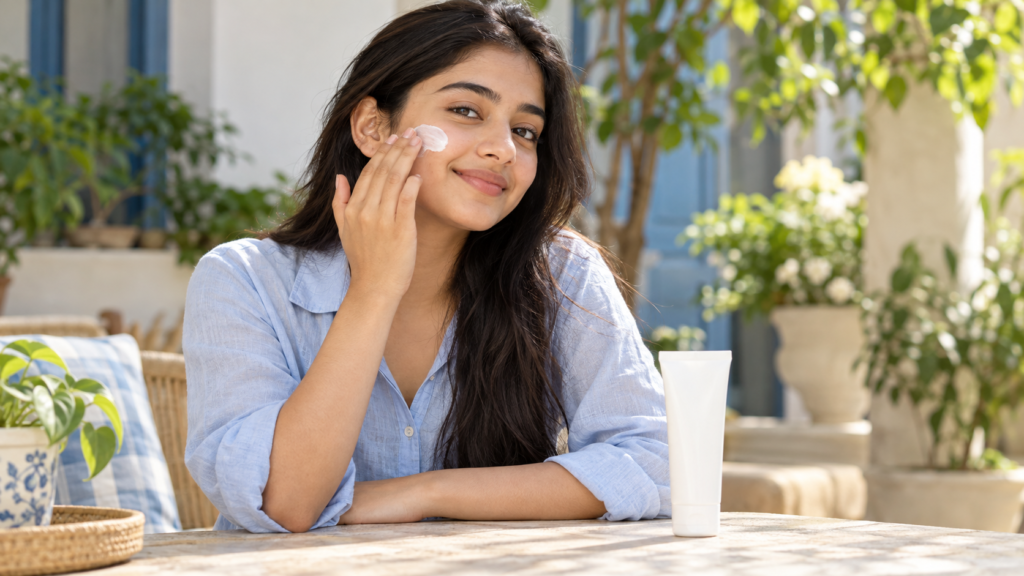
Choosing the best sunscreen for a teenager can feel confusing when every product promises something different. Some focus on a matte finish, while others highlight hydration, invisible coverage or high SPF. However, the right choice starts with reliable sun protection and a formula that feels comfortable enough to use consistently.
For teenagers balancing school, outdoor activities and changing skincare needs, sunscreen should be a simple daily habit. This guide explains what to look for, how to match sunscreen to your skin and how to use it effectively.
Why Do Teenagers Need Sunscreen?
Sun protection matters during the teenage years, even when wrinkles and ageing seem far away. Ultraviolet radiation can damage skin whenever it is exposed outdoors, including on cloudy days. Building sensible habits early helps teenagers protect their skin throughout life.
School assemblies, sports practice, walking to tuition and weekend outings can all involve sun exposure. Sunscreen belongs alongside other protective measures, including shade, suitable clothing, sunglasses and a hat. No sunscreen blocks every UV ray, so applying it should never become a reason to stay in strong sunlight longer. aad.org
What Makes a Good Sunscreen for Teenagers?
Start by checking three features: broad-spectrum protection, SPF 30 or higher and water resistance. Broad-spectrum protection covers both UVA and UVB radiation. Water resistance is particularly useful for teenagers who play sports, sweat or swim.
A higher SPF does not mean the sunscreen lasts all day. Reapplication remains necessary regardless of the SPF number. Check the packaging for clear application instructions, an expiry date and any precautions. Choose a product from a reliable source rather than relying only on social media popularity or attractive packaging.
Choose a Texture That Fits Your Skin
Teenagers do not all have the same skin type. A sunscreen that feels comfortable on one person may feel too rich or drying on another.
For oily skin: A lightweight fluid or gel may feel more comfortable during the day. Check whether the finish suits you before buying a larger pack.
For dry skin: A creamier texture may fit better into your routine. You can also apply a suitable moisturiser underneath if needed.
For sensitive skin: Pay attention to ingredients that have caused reactions before. Introduce one new product at a time so that any irritation is easier to identify.
For acne-prone skin: Consider products labelled non-comedogenic, but remember that individual reactions vary. Sunscreen is not an acne treatment. Persistent breakouts or reactions deserve advice from a dermatologist.
Mineral or Chemical Sunscreen: Which Is Better?
Mineral sunscreens use filters such as zinc oxide or titanium dioxide. Chemical sunscreens use other UV filters, while hybrid products combine filter types.
There is no universal winner for every teenager. The complete formulation, protection level and personal comfort matter more than choosing a category because it is fashionable. Both mineral and chemical options can provide effective protection when they meet suitable criteria and are used correctly. aad.org
Try to choose a finish you will happily wear in the recommended amount. An expensive sunscreen that stays unused offers no practical benefit.
How Should Teenagers Apply Sunscreen?
Apply sunscreen generously and evenly to exposed skin about 15 minutes before going outdoors. Remember commonly missed areas such as the ears, neck and hands.
Follow the product’s directions for quantity and coverage. Avoid mixing sunscreen into another cream, which can make an even protective layer harder to achieve.
When outdoors, reapply approximately every two hours and after swimming or sweating, following the label. Reapply after towel drying too. A single morning application should not be treated as protection for an entire outdoor school day.
Keep the Routine Simple and Consistent
A practical morning routine can include gentle cleansing, moisturiser when needed and sunscreen. Give each product time to settle before applying the next.
Keep sunscreen somewhere visible, such as beside your morning essentials, and carry it when outdoor reapplication will be necessary. Check its expiry date regularly and follow storage instructions.
If a sunscreen repeatedly causes burning, itching or a rash, stop using it and seek professional advice. Finding a comfortable formula is more useful than forcing your skin to tolerate an unsuitable product.
Sunscreen Development with Cosmonova
Cosmonova offers third-party sunscreen manufacturing and private-label skincare services for businesses. Brands exploring products for teenage skincare can contact the company to discuss formulation requirements, textures and packaging options.
Any claims about SPF, water resistance or suitability for particular skin types should be supported by appropriate testing of the finished product. Visit Cosmonova to explore its sunscreen manufacturing services and discuss your requirements.